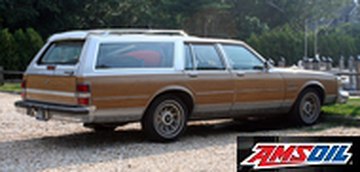
Lubrication Maintenance for the 1983 Buick ELECTRA 5.7L Diesel
Maintaining a diesel engine requires a disciplined approach to fluid management and regular inspections. For the 1983 Buick ELECTRA equipped with the 5.7L diesel powerplant, consistent attention to lubrication systems is a fundamental aspect of long-term vehicle health. Because diesel engines operate under different thermal and mechanical stresses than gasoline counterparts, understanding how to monitor and maintain your engine's oiling requirements is essential for any owner.
Monitoring Fluid Integrity and Condition
One of the most effective ways to monitor the health of the 5.7L diesel engine is through regular observation of the lubricant itself. The appearance and consistency of the engine oil can provide significant clues regarding the internal state of the engine. When performing routine checks, it is useful to look for changes in color or texture that deviate from the standard profile of clean oil.
If you notice a significant change in the oil's appearance, it warrants further investigation. For instance, an unusual odor or a change in viscosity might indicate that the lubricant has been subjected to extreme heat or has become contaminated. While many factors can influence oil condition, staying proactive with frequent checks allows you to identify potential issues before they escalate into more significant mechanical concerns. Always ensure that any inspection is performed using the correct procedures for this specific engine to obtain an accurate reading.
Observing Potential Warning Signs
While modern vehicles often rely on electronic sensors to alert drivers to problems, older diesel applications benefit greatly from a driver's ability to recognize subtle mechanical changes. Identifying these signs early can assist in prioritizing necessary repairs or maintenance tasks.
- Fluid Seepage: Periodically inspect the area around the engine for any evidence of fluid leakage. Visible seepage on the exterior of the engine block or near various seals may indicate that a gasket or seal is beginning to age and lose its effectiveness.
- Unusual Consumption: If you find yourself needing to add oil more frequently than usual, this change in consumption patterns should be investigated. It can be associated with several different factors, ranging from minor seepage to internal engine conditions.
- Changes in Engine Sound: While diesel engines naturally have a distinct rhythmic sound, any sudden or persistent changes in the mechanical noise produced by the engine should not be ignored. Unusual sounds can sometimes be linked to lubrication efficiency or component wear.
- Exhaust Observations: Changes in the color or density of exhaust smoke can occasionally serve as an indicator of how the engine is managing its internal processes and combustion.
It is important to remember that these symptoms can have multiple causes. A single observation, such as a small amount of seepage, does not automatically confirm a specific component failure; rather, it serves as a prompt for a more thorough inspection.
Prioritizing Long-Term Engine Care
As vehicles age, the strategy for maintenance often shifts from purely preventive measures to condition-based monitoring. For an owner of a 1983 Buick ELECTRA, this means using the current state of the vehicle to dictate where service efforts should be focused.
If you are stepping into ownership without a complete service history, establishing a maintenance baseline is a logical first step. This involves performing a comprehensive inspection of all fluids and major engine components to understand the "current state" of the machine. Once this baseline is established, you can more accurately track changes over time. Keeping detailed records of every oil change, filter replacement, and observed leak is one of the most valuable tools for long-term ownership. These records help distinguish between a new issue and a long-standing condition, allowing for much more informed decision-making regarding repairs.
When managing an older diesel engine, it is often more effective to address active signs of wear—such as a developing leak or a change in fluid quality—rather than replacing parts based solely on the age of the vehicle. This approach ensures that maintenance resources are directed toward the areas that actually require attention.
General Inspection of Engine Components
Beyond the oil itself, several peripheral components should be included in your routine service inspections to ensure the engine operates within its intended parameters. Even if a component is not directly part of the lubrication system, its condition can impact overall engine performance and cleanliness.
If equipped, inspect all accessible drive belts for signs of deterioration such as cracking, glazing, or fraying. Similarly, check any present hoses for signs of softening, swelling, or leaks. Ensuring that these components are in good condition helps prevent unexpected downtime. Additionally, inspecting electrical connections and wiring harnesses for signs of corrosion or heat damage is a prudent practice, as reliable electrical signals are necessary for the proper operation of various engine management functions.
Maintaining clean air filtration is also vital. A restricted air intake can affect how an engine breathes, which in turn can influence the thermal environment within the engine and the overall quality of the combustion process. Regular visual inspections of these areas provide a comprehensive view of the engine's operational readiness.
Selecting Lubricants for the 5.7L Diesel
When it comes to choosing an engine oil, accuracy is paramount. Because diesel engines operate under specific pressures and temperatures, using a lubricant that matches the application requirements is essential. For this 1983 Buick ELECTRA, you should not rely on general automotive knowledge or assumptions based on the vehicle's age to select an oil grade.
Different formulations offer different benefits. For example, some high-mileage oil formulations contain additives intended for use in aging engines, and some of these include seal-conditioning additives that may assist in maintaining the integrity of older gaskets. Depending on your specific needs and the current condition of your engine, you might consider conventional oils, synthetic blends, or full synthetic options. However, the most critical factor is ensuring the lubricant meets the specific requirements for this 5.7L diesel application.
Practical Advice for Buying Engine Oil for a 1983 Buick ELECTRA 5.7L
To ensure you are providing the correct lubrication for your engine, always match the engine oil to the application-specific viscosity information shown on this page. Before making a purchase, carefully check the product labeling to verify that the oil meets the necessary standards and specifications for a diesel engine of this era. Avoid the temptation to use a "universal" oil based solely on its marketing; instead, prioritize the specific technical data provided in your vehicle's application information to ensure optimal protection and performance.